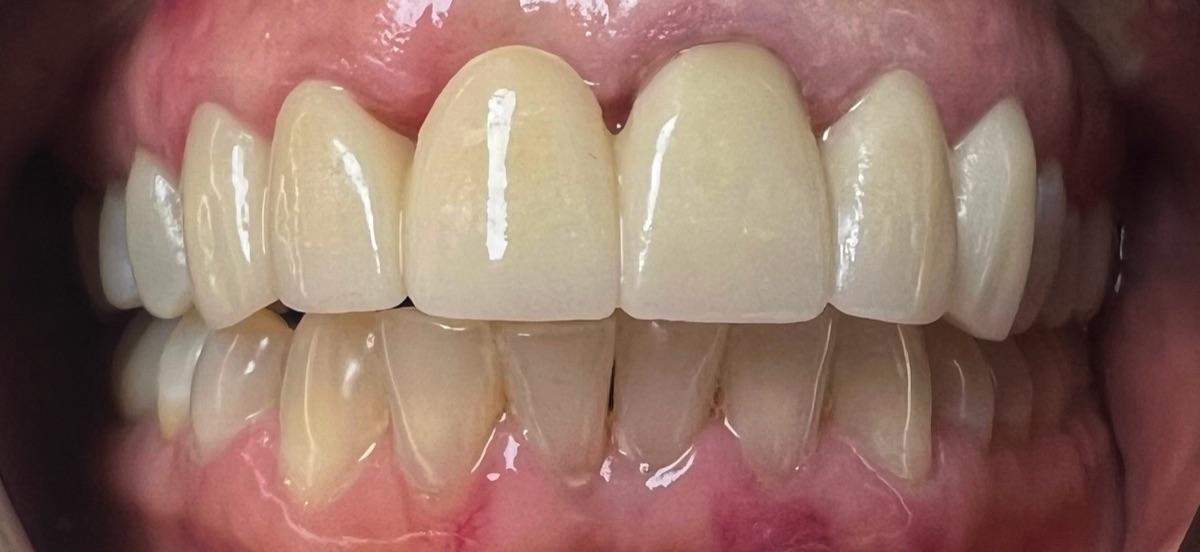
Losing a tooth — whether from an extraction, trauma, or decay — creates a gap. And if that gap isn't addressed, it sets in motion a chain of changes in your mouth that most patients don't fully anticipate. Understanding what happens over time helps explain why dentists consistently recommend replacing missing teeth sooner rather than later.
What Happens to the Bone
Your jawbone depends on stimulation from tooth roots to maintain its density. Every time you bite or chew, pressure travels through the tooth root into the bone, signaling the bone to stay strong and full. When a tooth is missing, that signal disappears. The bone in that area begins to resorb — essentially shrinking — within weeks of the tooth being lost. This process accelerates over time.
After one year without a tooth, you may have lost a significant percentage of the bone height and width in that area. After several years, the loss can be substantial enough to complicate future treatment options. Dental implants, for example, require adequate bone volume — and placing one years after a tooth was lost sometimes requires bone grafting to make up for what was lost in the interim.
What Happens to Neighboring Teeth
Teeth are held in position partly by contact with their neighbors. When a tooth is missing, the teeth on either side tend to drift into the empty space over time, and the tooth above or below the gap (the opposing tooth) often begins to over-erupt — meaning it grows taller into the space. These shifts change your bite, can create new areas of uneven pressure, and make the affected teeth harder to clean and more susceptible to decay.
What Happens to Your Bite and Jaw
As teeth shift and the bone changes, the mechanics of your bite can change as well. Some patients develop jaw pain or TMJ symptoms over time as their bite compensates for the missing tooth. Others notice increased wear on remaining teeth as chewing forces redistribute unevenly.
The Aesthetic Reality
Bone loss changes the shape of your face over time. The jaw supports the lower third of the face, and significant bone loss — particularly from multiple missing teeth — can cause the face to appear collapsed or aged in ways that have nothing to do with skin or wrinkles. This is one reason why long-term tooth loss has visible consequences that go beyond the smile itself.
Your Options for Replacement
The three main options for replacing a missing tooth are a dental implant, a fixed bridge, and a removable partial denture. Each has different cost, longevity, and maintenance profiles. A dental implant is generally considered the gold standard because it replaces the root as well as the crown, preserving bone and functioning most like a natural tooth. We cover implants versus bridges in more detail in a separate article.
At FORME Dental, we don't believe in one-size-fits-all treatment plans. We discuss the full picture with you — your timeline, your priorities, your budget — and help you make a decision that makes sense for your specific situation.
Ready to talk through your options? Explore our services or book a consultation at FORME Dental.
← Back to Journal