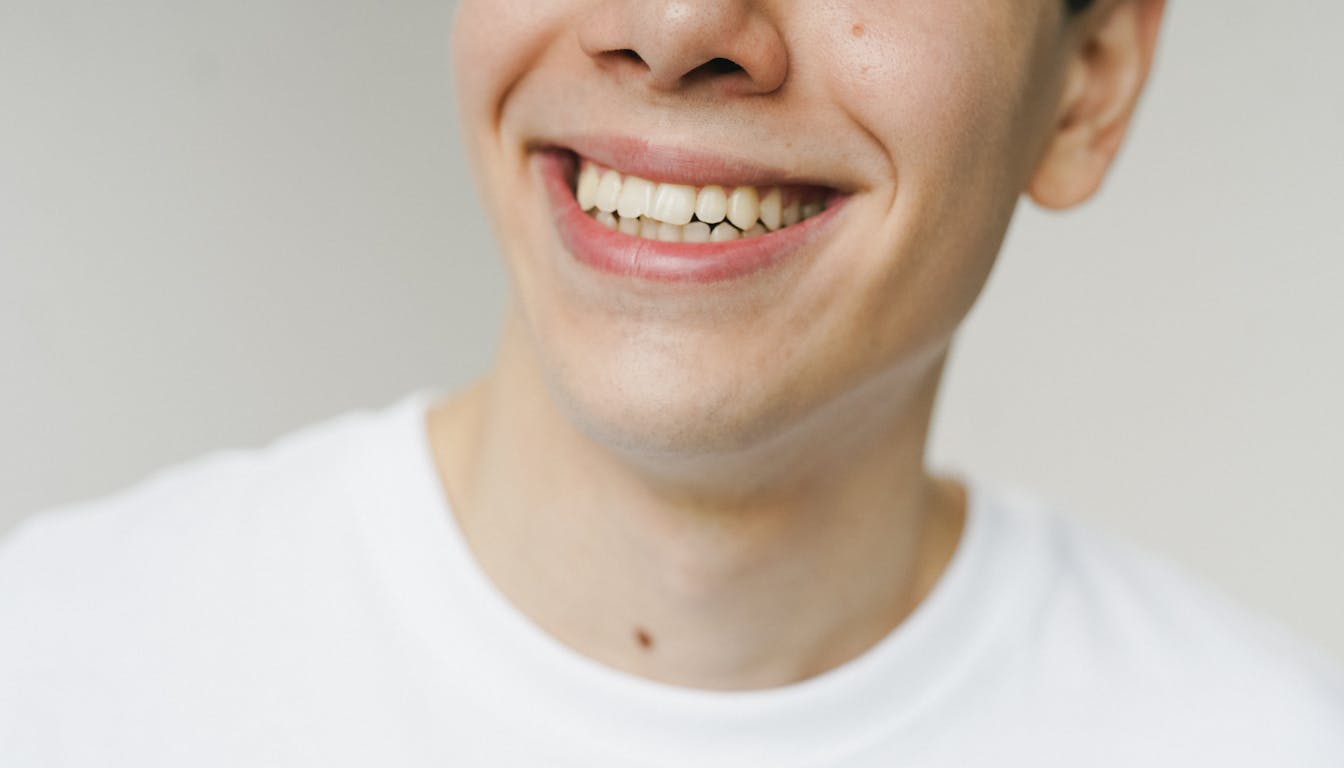
You take a sip of iced coffee on the way into your Midtown office and feel a sharp, electric jolt run through one of your back teeth. You finish brushing and rinse with cold water, and there it is again. You bite into a piece of dark chocolate during a meeting and quietly wince. If any of that sounds familiar, you are not alone. Tooth sensitivity is one of the most common reasons New Yorkers walk into our office on Madison Avenue, and the good news is that it is almost always treatable once we know what is actually causing it.
In this article, I want to walk you through what tooth sensitivity really is, the most common reasons it shows up, what you can do at home for relief, and the point at which it makes sense to see a dentist in NYC. My goal is not to alarm you, but to help you tell the difference between a minor annoyance and a signal that something deeper needs attention.
What Tooth Sensitivity Actually Is
Healthy teeth are protected by two outer layers. On the crown of the tooth, the part you can see, the protective layer is enamel, the hardest substance in the human body. Below the gumline, the protective layer is cementum. Underneath both of these sits dentin, a softer tissue laced with thousands of microscopic tubules that lead directly to the nerve at the center of the tooth.
When enamel or cementum is worn down, cracked, or pulled back, those tiny tubules get exposed. Hot coffee, ice water, sweet pastries, even a deep breath of cold winter air on a Manhattan sidewalk can travel through the tubules and stimulate the nerve. That is the quick, sharp sting people describe as a sensitive tooth.
This is different from the dull, throbbing ache of a cavity or infection. Sensitivity tends to be brief and triggered by something specific. If your discomfort lingers for more than a few seconds after the trigger goes away, or if it shows up out of nowhere, that is worth a closer look.
The Most Common Causes of Sensitive Teeth
In our practice, we see the same handful of culprits over and over. Most of them are addressable, and many of them are quietly built into the daily rhythm of New York life.
Brushing too hard, or with the wrong brush. A surprising number of patients are scrubbing their teeth as if they were cleaning grout. Aggressive brushing, especially with a medium or hard-bristled brush, slowly wears down enamel along the gumline and pushes the gums into recession. The exposed root surface is much less protected than enamel, and it gets sensitive quickly.
Gum recession. Whether it is from brushing technique, genetics, gum disease, or simple wear over time, receding gums expose the root of the tooth. This is one of the leading causes of cold sensitivity in adults over thirty-five.
Enamel erosion from acidic foods and drinks. Sparkling water, citrus, kombucha, wine, energy drinks, and the kind of cold brew you can practically chew are all acidic. Acid does not destroy enamel in a single sip, but a daily habit of sipping something acidic over the course of a workday slowly softens and dissolves the surface.
Grinding and clenching. New Yorkers carry a lot of stress in their jaws. Many of our patients grind at night without realizing it, and we see the evidence in flattened cusps, tiny cracks, and worn enamel. Grinding can also lead to fractured teeth and exposed dentin.
A cracked or chipped tooth. Sometimes a hairline crack in a back tooth shows up first as sensitivity to cold or to biting pressure. Cracks can be hard to see without proper magnification, and they tend to widen over time.
Recent dental work. A new filling, a crown prep, or a deep cleaning can leave a tooth temporarily sensitive. This usually settles within a few weeks. If it does not, give your dentist a call.
Whitening treatments. Whether it is professional whitening or an over-the-counter strip, peroxide can temporarily increase sensitivity by passing through the enamel. The good news is that this is almost always reversible.
A cavity, leaking filling, or early gum disease. These are the causes we worry about most, because they tend to get worse, not better, on their own. Sensitivity can be one of the earliest signs that something is going on under the surface.
Why NYC Lifestyles Make Sensitivity Worse
Living in Manhattan is not bad for your teeth on its own, but a few patterns we see in our patients quietly stack the deck. The all-day cold brew habit. Sparkling water at every meeting instead of still water. Late nights followed by aggressive morning brushing to feel clean. Long stretches of stress that translate into clenched jaws on the subway. A wine-and-cheese evening followed by an immediate brush, which actually rubs softened enamel away rather than letting it remineralize.
None of these are reasons to feel guilty. They are just patterns to be aware of, because small shifts in routine make a real difference in how your teeth feel six months from now.
Things You Can Try at Home
If your sensitivity is mild and recent, there is a lot you can do before booking an appointment. Most patients see meaningful improvement within two to four weeks of small, consistent changes.
Switch to a soft-bristled toothbrush. Always. There is no benefit to medium or hard bristles for the vast majority of adults, and there is real downside. If you use an electric toothbrush, let it do the work and avoid pressing it against your teeth. Many electric brushes have a built-in pressure sensor for exactly this reason.
Use a toothpaste designed for sensitivity. Look for active ingredients like potassium nitrate or stannous fluoride. They work by either calming the nerve or sealing the exposed tubules. These toothpastes are not magic on day one. Use them consistently, twice a day, for at least two weeks before judging whether they are helping.
Be gentler than you think you need to be. Brushing harder does not get teeth cleaner. Technique and time matter much more than pressure. Two minutes, twice a day, with small circular motions and a light touch.
Rethink the acid pattern, not the foods. You do not need to give up sparkling water or cold brew. You do want to stop sipping them slowly over the course of an hour. Drink them with a meal, finish in a reasonable time, and rinse your mouth with plain water afterward. Wait at least thirty minutes before brushing after anything acidic.
Wear a nightguard if you grind. If you wake up with a sore jaw, headaches at the temples, or your partner tells you that you grind at night, a custom nightguard from your dentist is a small investment that protects your enamel for years.
Pause whitening, temporarily. If you are mid-whitening and your teeth are uncomfortable, take a few days off. The sensitivity will fade. When you start again, space treatments further apart and use a sensitivity toothpaste in between.
When to See a Dentist in NYC
Home care helps a lot of mild sensitivity, but there are signals that should bring you in. Make an appointment if any of the following describe you.
Your sensitivity has lasted more than three or four weeks despite using a sensitivity toothpaste and brushing more gently. The pain is sharp on biting pressure, not just cold or sweet. The discomfort lingers for more than a few seconds after the trigger goes away. You can point to one specific tooth that hurts, rather than a general area. You see a visible chip, crack, or dark spot on a tooth. Your gums bleed when you brush or floss. You have noticed your teeth looking longer over time, which is a hint of recession. You are putting off ice cream, hot soup, or your morning coffee because of pain.
None of these mean disaster. They simply mean we want to take a look while the fix is still small and predictable.
How a Dentist Diagnoses and Treats Sensitivity
When you come in for sensitivity, we are essentially playing detective. We will ask about your habits, your diet, your stress, and exactly what triggers the discomfort. We will look at your gums for recession and inflammation, examine your teeth under magnification for cracks or worn enamel, take targeted X-rays to rule out cavities and check the bone, and sometimes do a simple cold or bite test on individual teeth to localize the source.
Treatment depends entirely on what we find. For exposed root surfaces, we may apply a fluoride varnish or a desensitizing agent that seals the tubules. For worn or notched enamel near the gumline, a small bonded filling can cover the exposed dentin and stop the sensitivity almost immediately. For grinders, we make a custom nightguard. For early gum disease, a thorough cleaning and a tighter home-care routine often resolve sensitivity along with the inflammation. For cavities or cracked teeth, we restore the tooth before the problem grows. In rare cases where the nerve is already involved, a root canal is the right call, and modern techniques make it far more comfortable than its reputation suggests.
The point is that we do not treat sensitivity as one thing. We figure out which kind you have and match the treatment to it.
Preventing Sensitivity Before It Starts
If your teeth are not sensitive yet, the same habits that solve sensitivity will help you keep it that way. A soft toothbrush. A light touch. Two minutes, twice a day. Floss or a water flosser daily. Sensible spacing between acidic drinks. A nightguard if you grind. Regular cleanings and exams every six months so we can catch wear, recession, or early decay long before it becomes a problem you can feel.
One detail worth highlighting for our NYC patients in particular. Professional cleanings do more than make your teeth feel smooth. They remove the hardened deposits that cause gum inflammation, which is one of the leading causes of recession and root sensitivity later in life. Skipping cleanings to save time tends to cost you much more time, and money, down the road.
About FORME Dental
FORME Dental is a modern, concierge-style practice in the heart of Midtown Manhattan. Our office at 575 Madison Avenue, Suite 1503 was designed to feel calm, private, and unhurried, the opposite of what most people expect from a dental visit in New York City. Dr. Henry Fung and Dr. Tony Voong combine careful diagnostics, thoughtful planning, and genuinely conservative treatment to help you keep your teeth comfortable and healthy for the long run.
If sensitive teeth have been getting in the way of your morning coffee or your weekend dinners, we would love to help you sort out why and put together a plan that actually fits your life. You can reach our team at (347) 460-5603 or stop by our website to learn more about how we work.
Ready to talk through your options? Explore our services or book a consultation at FORME Dental.
← Back to Journal