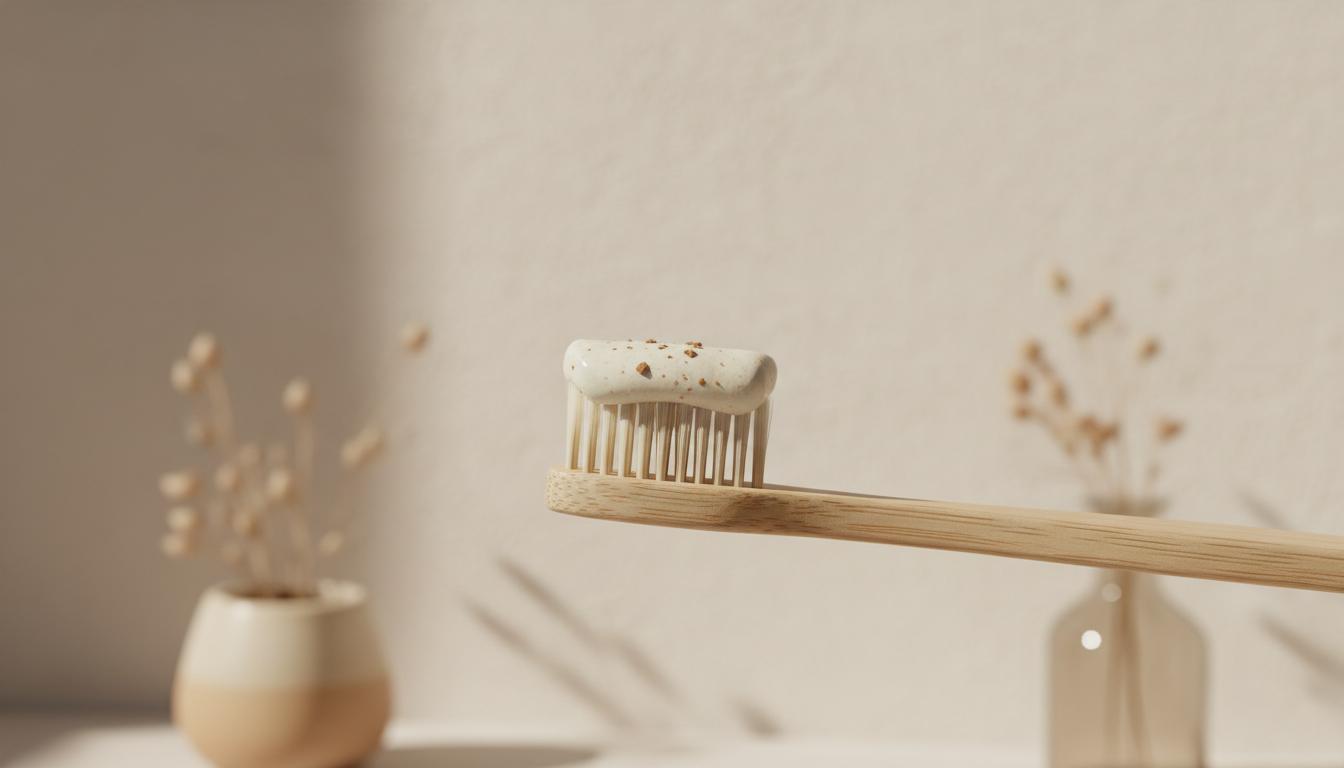
It's one of those small habits that's easy to overlook — but the condition of your toothbrush matters more than most people think.
The 3-Month Rule
The American Dental Association recommends replacing your toothbrush (or electric brush head) every three to four months, or sooner if the bristles are visibly frayed. This isn't arbitrary — studies show that worn bristles are significantly less effective at removing plaque from tooth surfaces and along the gumline.
Why Bristles Wear Out
Each time you brush, the bristles flex and bend. Over time, they lose their shape and stiffness. Frayed bristles can't reach into the crevices between teeth or clean the gumline effectively. You may be spending two minutes brushing but getting a fraction of the benefit.
After Being Sick
Replace your toothbrush after recovering from a cold, flu, or any mouth infection. While reinfecting yourself from a toothbrush is relatively rare, there's no reason to keep the old one around once you're feeling better.
Choosing the Right Brush
Soft-bristled brushes are recommended for most adults. Medium and hard bristles are more likely to cause enamel wear and gum recession over time, especially if you brush with heavy pressure. A brush head that's small enough to reach your back molars comfortably is more important than brand.
Electric vs. Manual
Both are effective when used correctly. Electric brushes make it easier to maintain consistent pressure and timing, and some research suggests they remove slightly more plaque. The best toothbrush is simply the one you'll use consistently for two minutes, twice a day.
Time for a check-up? Learn more about our General Dentistry services or book a visit.
← Back to Journal